The History Of Film Timeline
- The history of film can be traced back to the late 19th century, with the invention of motion picture cameras and the earliest recorded screenings of moving images.
Before film
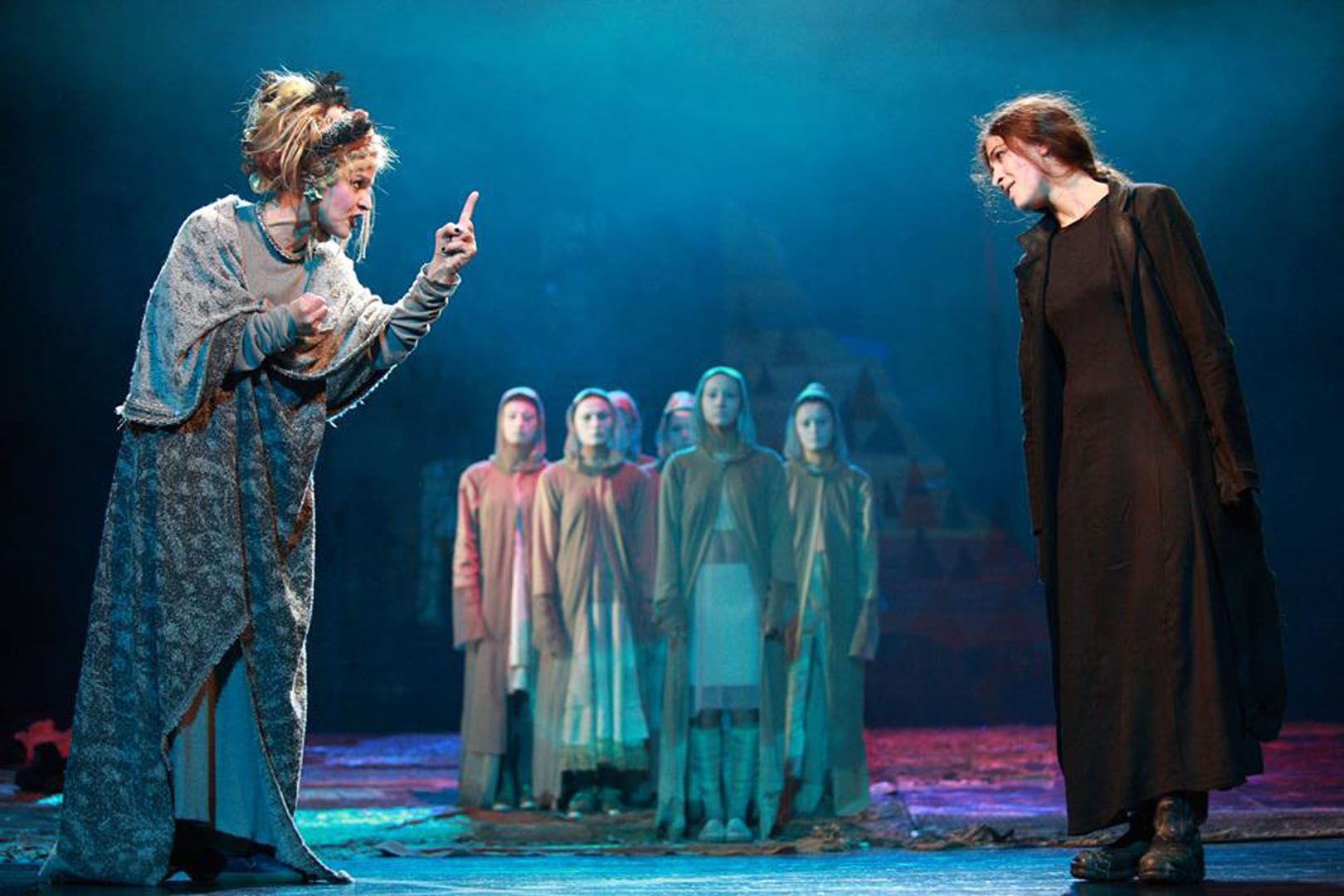
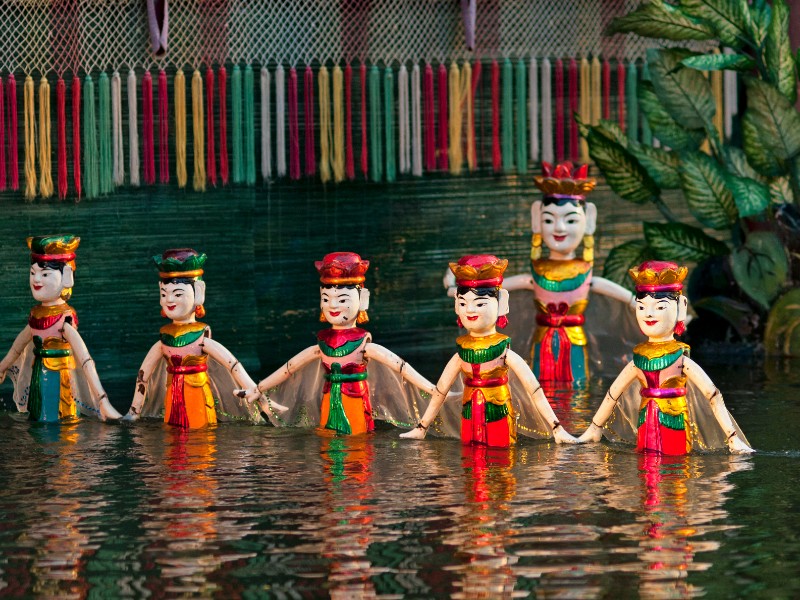
Before films people told stories in ways that combined visuals and storytelling in various ways:
theatre
puppet theatre
kamishibai
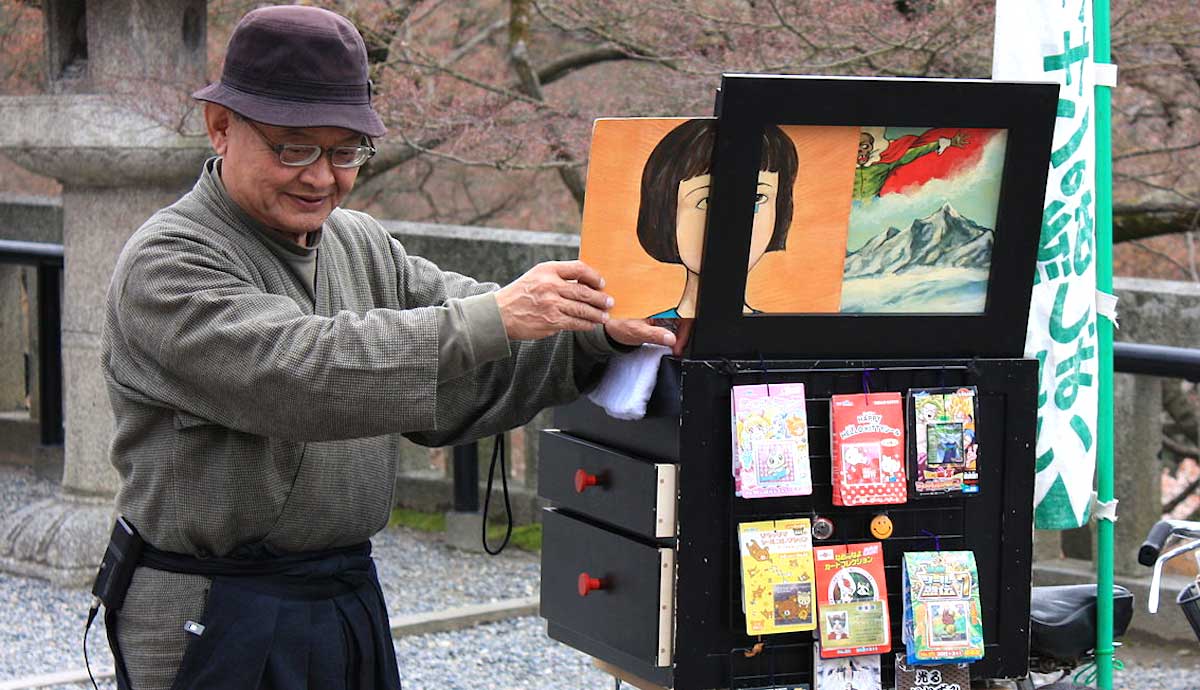
- These used dialogue and narration and actors, puppets or pictures to tell stories
- There was no way of recording these performances.
Photography
- People had known about lens technology for hundreds of years.
camera obscura
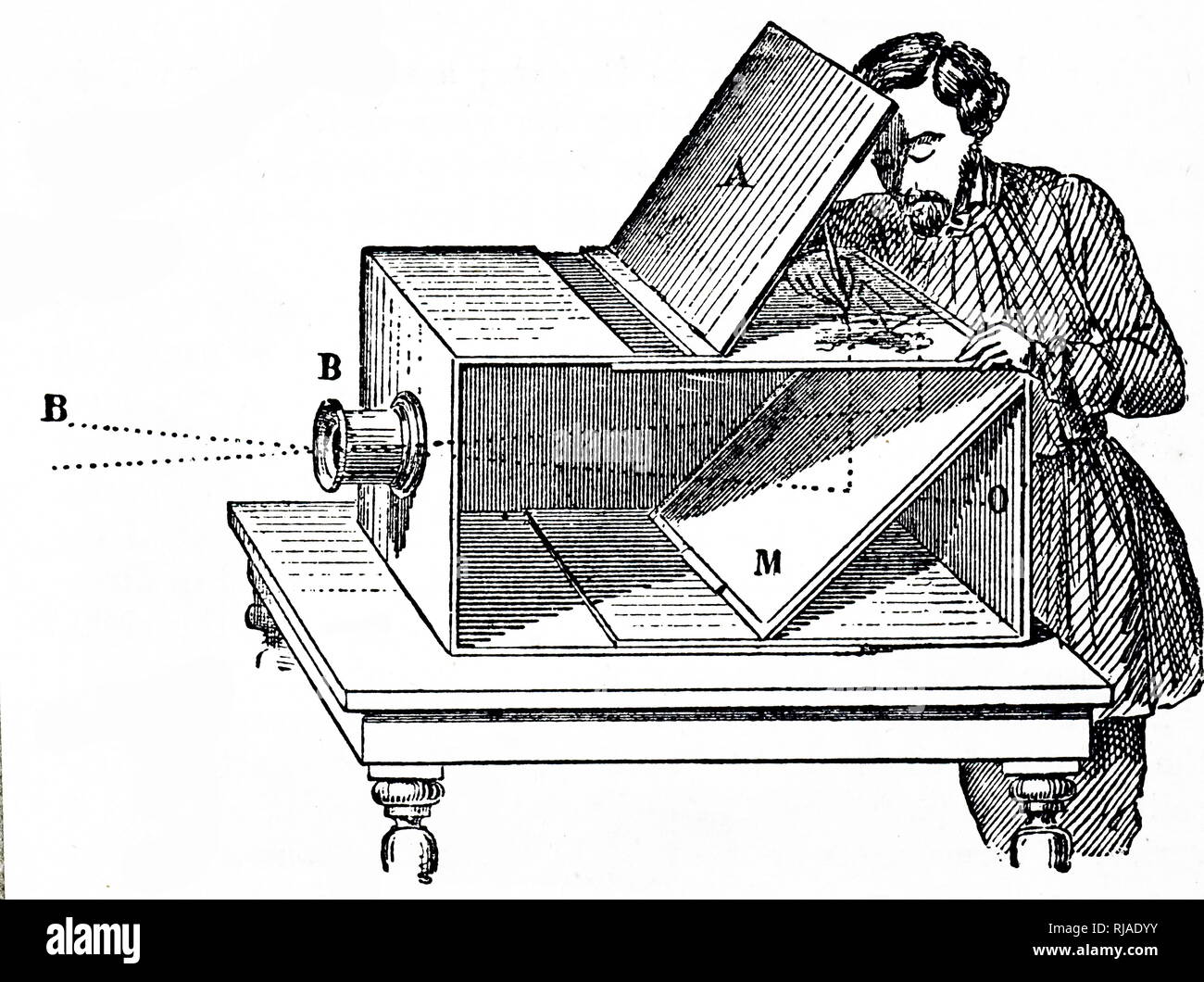
The discovery of adding chemicals to paper that turned black in the light enabled lenses to capture permanent images.
Niepce’s camera
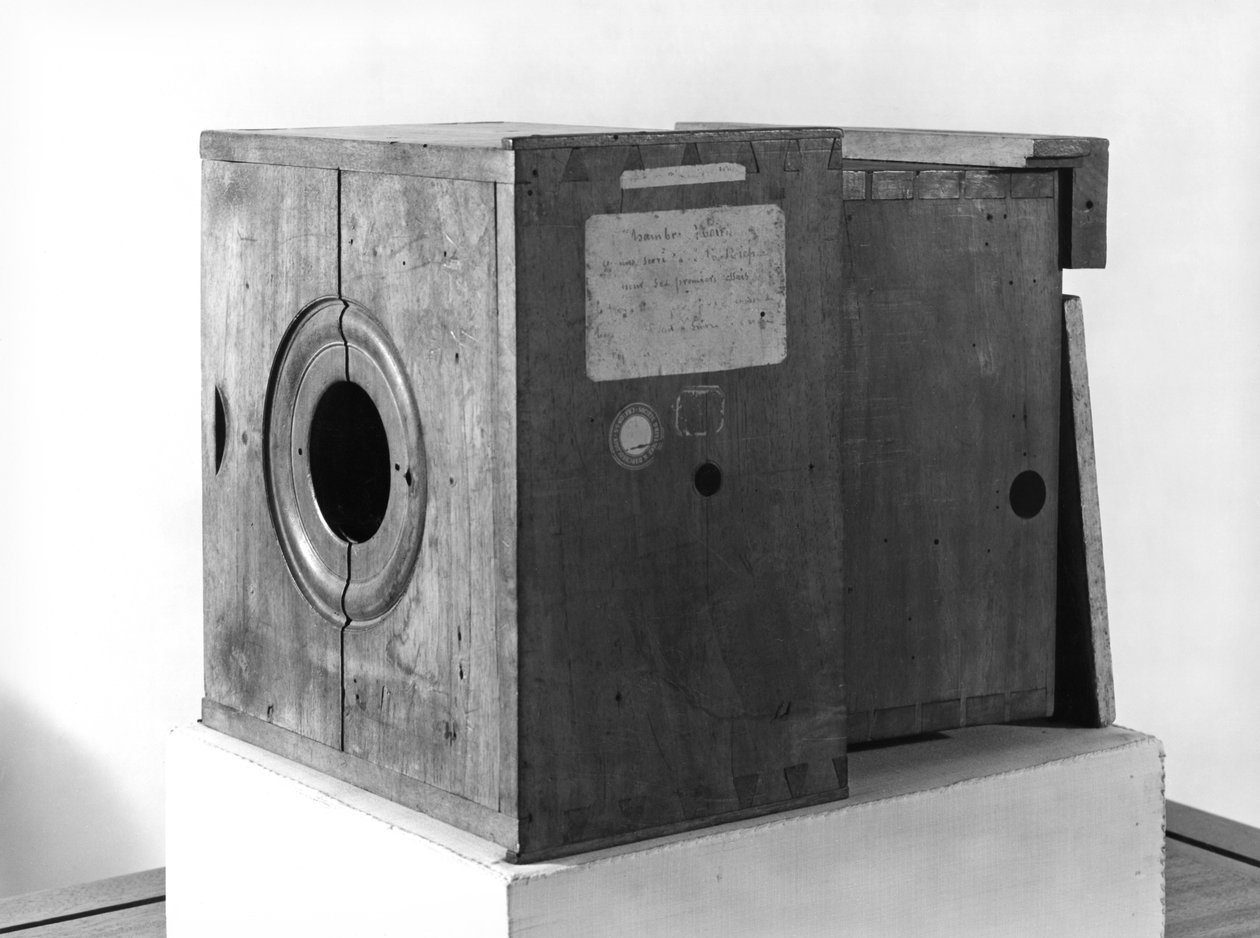
Niepce
- In 1827 Nicéphore Niépce took one of the earliest photos on France.
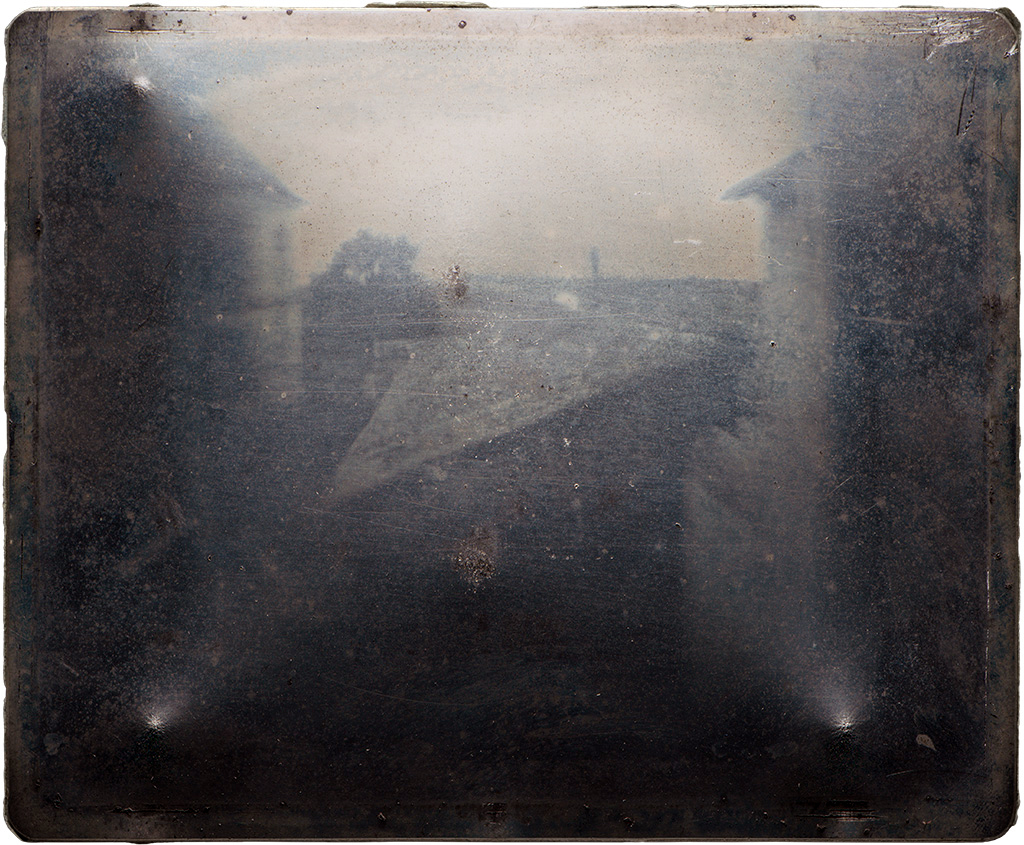
Early film
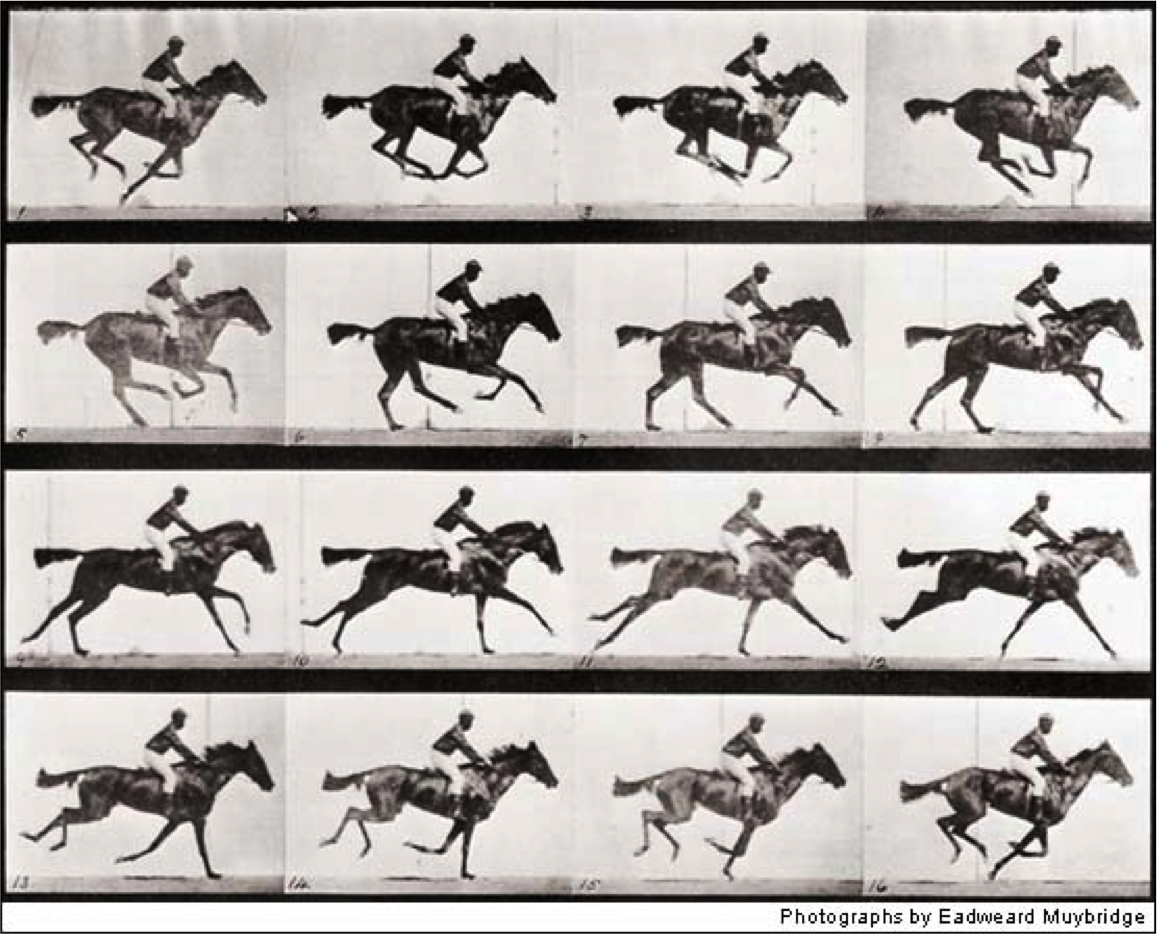
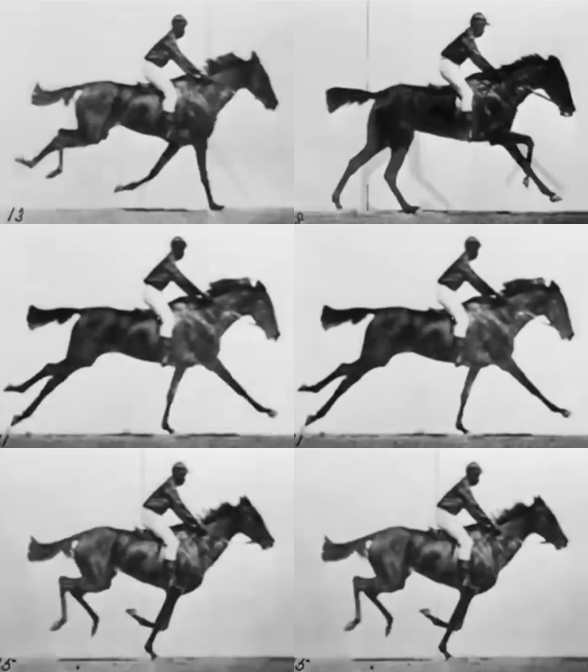
Muybridge
In 1878 Muybridge invented a system of taking lots of photos quickly of a moving horse then put them together to make a motion picture.
Showing films
- People invented different ways of projecting film.
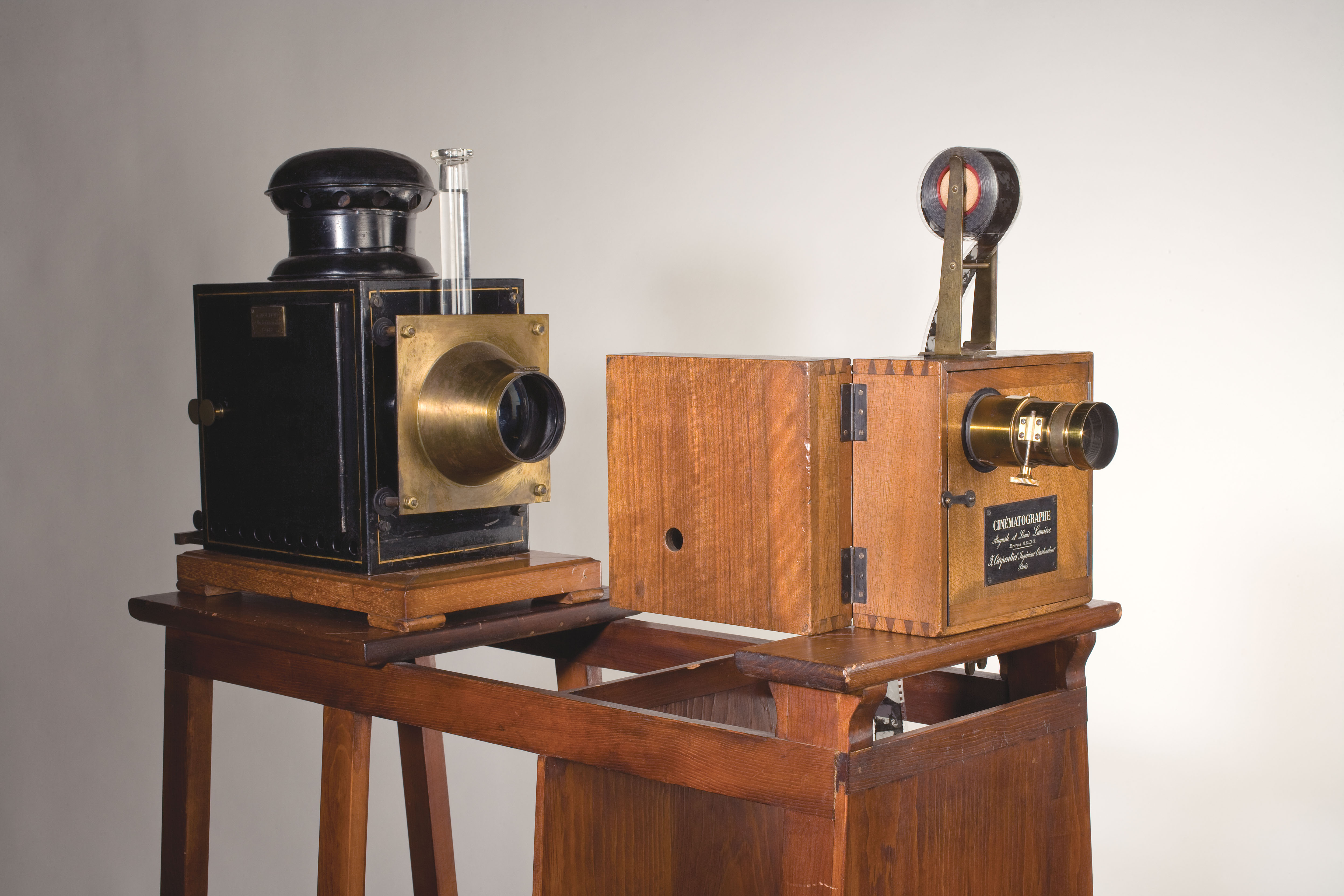
1895 The first public screening of a film
- The Lumiere brothers used their invention of the Cinematograph in Paris, France
1896: The Lumiere Brothers 1896: The Arrival of a Train at La Ciotat Station
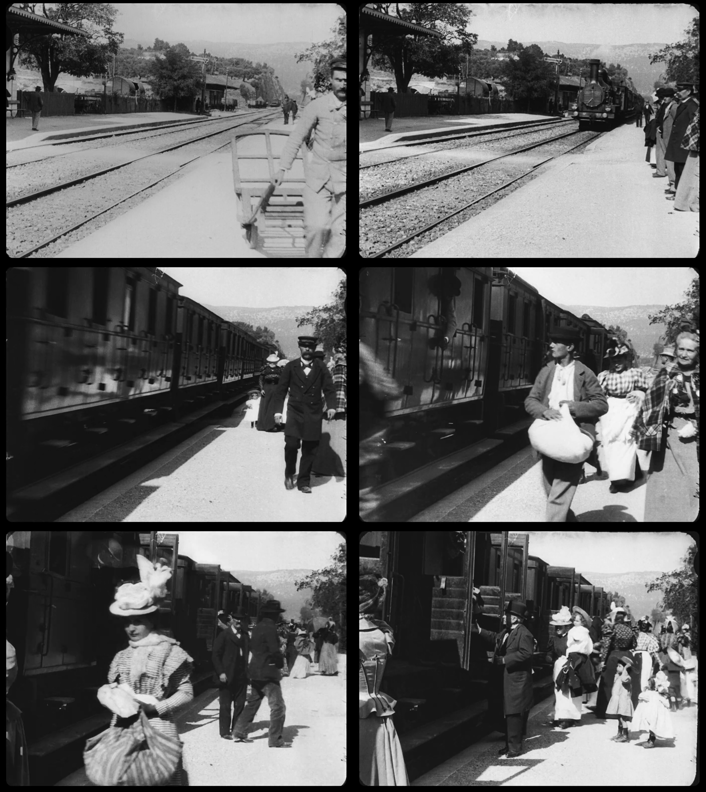
Film was used for news style short films of real life this.
Narrative films (stories) also started to be made
Un homme de têtes (or The Four Troublesome Heads) by Georges Melies, 1898
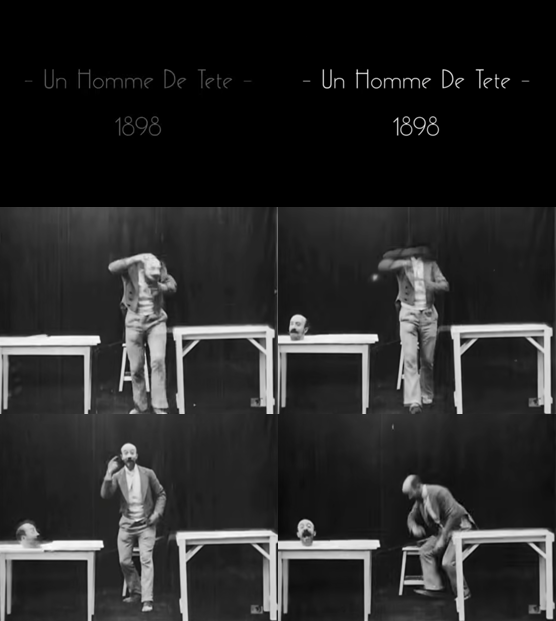
Un homme de têtes
Films techniques
- Early films were black and white with no sound.
- Film makers found new ways to use lighting
- Film makers found new ways to edit films.
Sound
1927: The first “talkie” (motion picture with synchronized sound) is released, The Jazz Singer.
Colour
Early films: Some early films added colour tints by hand
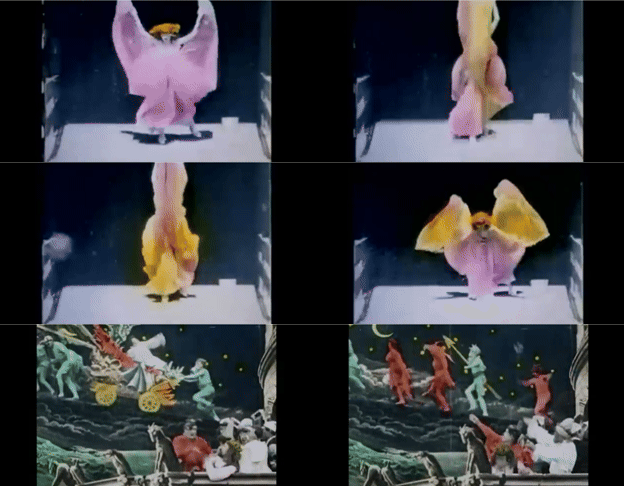
The world’s oldest colour film discovered in Bradford (circa 1902)
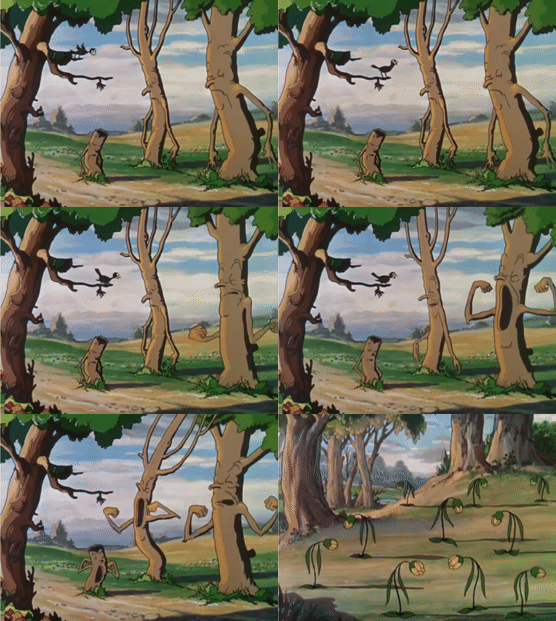
In 1932 Disney introduced the Technicolor technique to capture colour film.
Full version