Light and Colour
Light
Review the language we learned to talk about light Light in lesson 2
| light | 光 | ひかり |
| dark | 闇 | やみ |
| shadow | 影 | かげ |
| bright | 明るい | あかるい |
| dim | 薄暗い | うすぐらい |
| clear | 明瞭 | めいりょう |
| obscure | 曖昧 | あいまい |
| highlight | ハイライト | はいらいと |
| spotlight | スポットライト | すぽっとらいと |
| harsh light | 強烈な光 | きょうれつなひかり |
| soft light | 柔らかい光 | やわらかいひかり |
| natural light | 自然光 | しぜんこう |
| artificial light | 人工光 | じんこうこう |
| reflection | 反射 | はんしゃ |
| contrast | 対比 | たいひ |
| neon light | ネオンライト | ねおんらいと |
Lighting direction
| above | ||||||
| The subject | is lit | below | ||||
| from | the side | |||||
| The light source | comes | behind | ||||
| in front | ||||||
Watch this video about film lighting
Describing light in film shots
Read descriptions and match them to the correct film still
A. This is a long shot. Two figures in the centre of the screen are illuminated from behind by bright natural light which clearly defines the figures against the bright background. A strong shadow is cast by a wall that runs diagonally across the frame.
B. A close up shows the subject’s face lit from below. The background is black except for a thin horizontal line of light which gives the shot some depth.
C. The subject is in the left third of the shot, reflected in a mirror. Beams of light shine horizontally into a dark room from a doorway on the right. The light is a little hazy from dust in the room. The hazy light and dark shadows create a mysterious atmosphere.
D. This is a two shot. The two subjects are in shadow but backlighting highlights each figure against the dark background.
E. This is a medium shot. Strong artificial light illuminates the subjects from above which clearly defines their faces against the dark wall in the background. The strong shadows cast by the light hide much of the subjects bodies in darkness which focusses attention on their illuminated faces.
F. This is a close up shot. The subject is in the right of the shot lit from behind by a lamp that is in shot. The light gives a clear sharp outline to the subjects face. There is also some light on the front of his face so that you can see his expression clearly. In the centre of the shot there is a telephone and clock on a table slightly out of focus which look like they are important elements of the story.
Stills
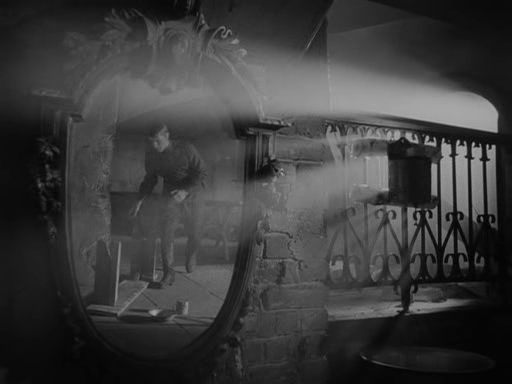
Figure 1: Ivan’s Childhood
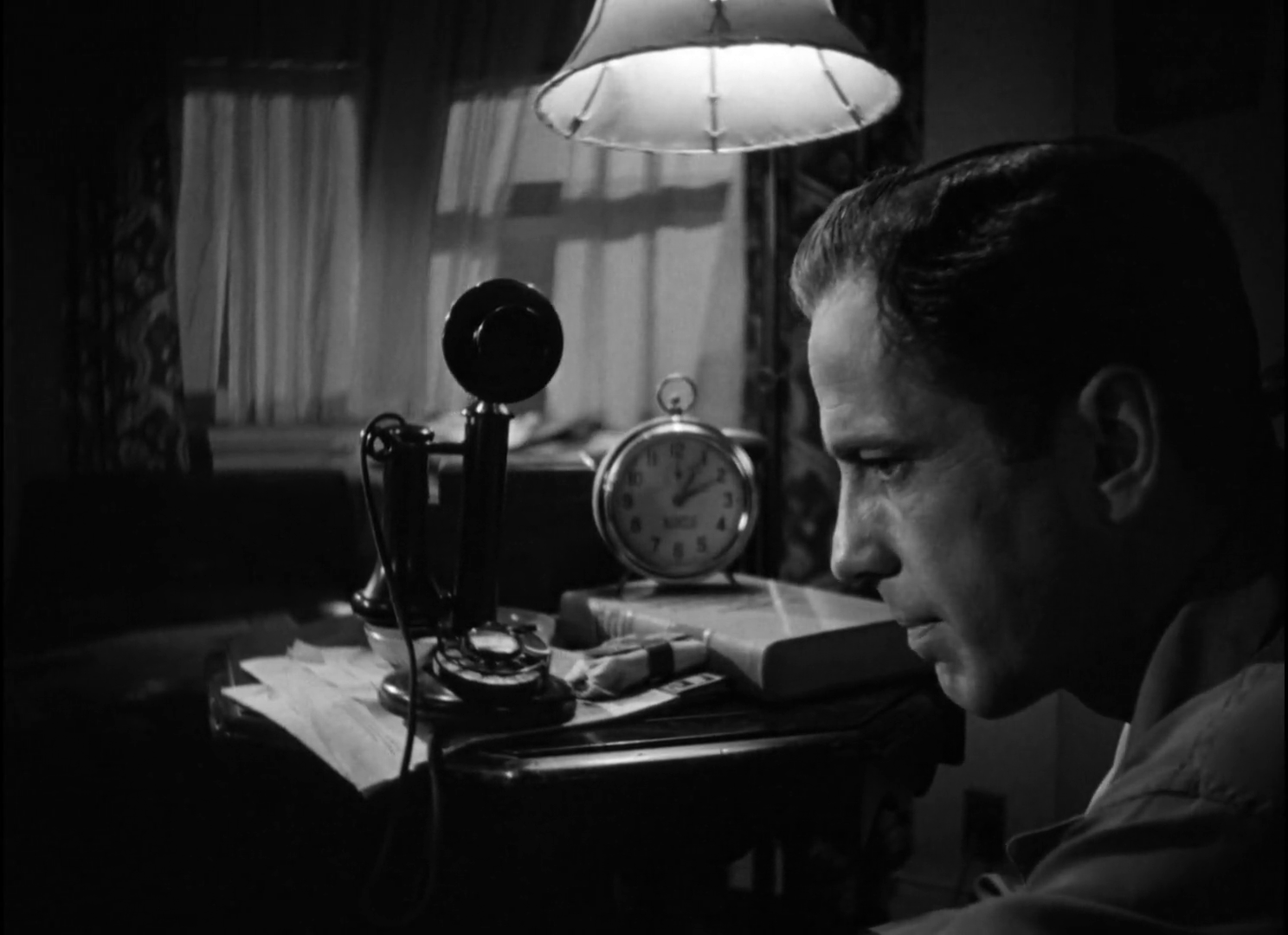
Figure 2: Maltese Falcon
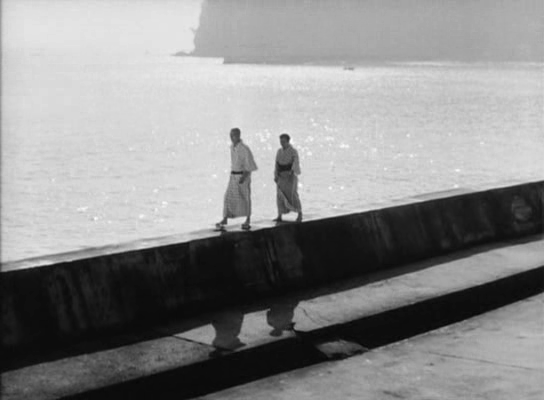
Figure 3: Tokyo Story
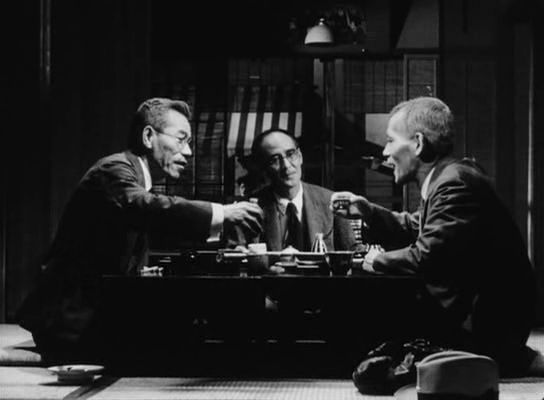
Figure 4: Ikiru
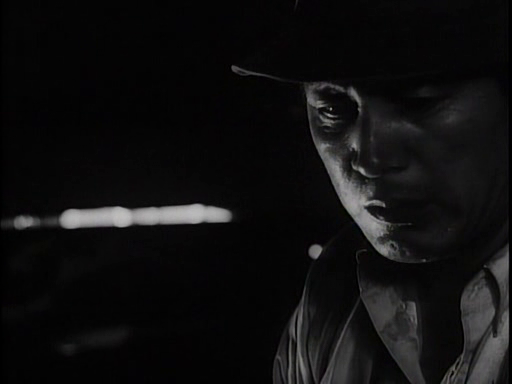
Figure 5: Woman in the Dunes
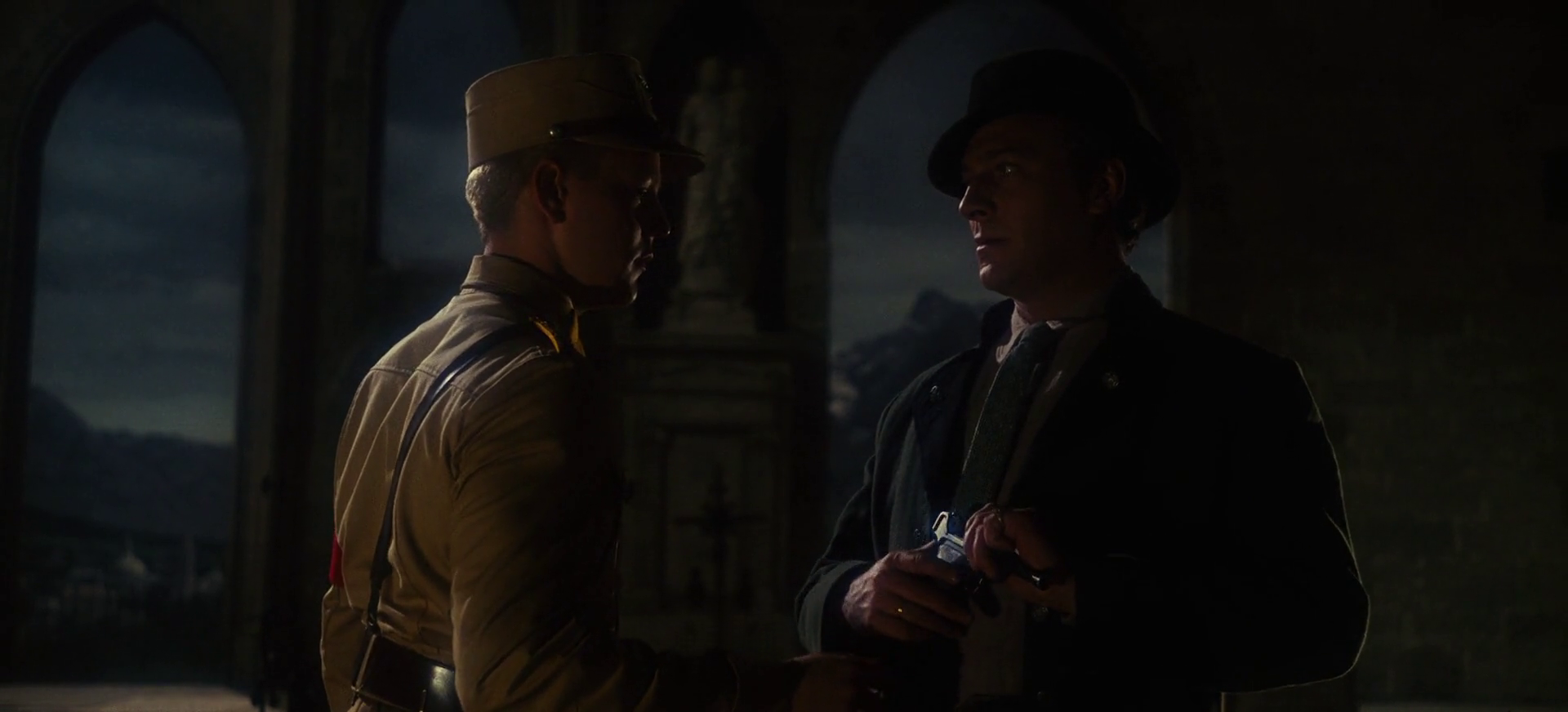
Figure 6: The Sound of Music 1
Colour
Review language about colour from lesson 2
| black and white | 白黒 | しろくろ |
| monochrome | モノクロ | ものくろ |
| primary colour | 原色 | げんしょく |
| secondary colour | 二次色 | にじしょく |
| bold colour | 濃い色 | こいいろ |
| pale colour | 淡い色 | あわいいろ |
| faded colour | 褪せた色 | あせたいろ |
| colourful | カラフル | からふる |
| bright | 明るい | あかるい |
| dull | くすんだ | くすんだ |
| light colour | 淡色 | たんしょく |
| dark colour | 濃色 | のうしょく |
Watch this short video about colour and think about how you can use colour in your film
Describing colour in film shots
Read descriptions and match them to the correct film still
G. On over the shoulder shot. The subject is in the centre of the shot. He is lit from above by a warm, yellow artificial light which contrasts with the cold blue natural light outside and on the back of the other person.
H. An over the shoulder shot. The lead character’s pale blue sweater contrasts with the bright red of the locker room and his team mates’ clothes that dominate the rest of the frame.
I. The figure is in the centre of the shot. He is illuminated from behind with soft light coming through a paper wall. Because the shot is so dark the colours are veryt dark and pale in the dim light of the room.
J. A one shot from a low angle looking up at the subject. She is illuminated from below with a strong artificial light that casts strong shadows against the wall. The strong shadows make the scene more dramatic. She is in the center of the shot but a pillar and shadow are in the right third that balances the composition. The pale browns and blues of her clothes blend with the colours of the wallpaper and stairs in the rest of the frame.
K. An over the shoulder shot. The subject is in the left third of the frame. Warm light from the house windows illuminate the subject. Her red dress, pink skin and blonde hair all reflect this warmth. A cold moonlight highlights both figures and separates the cool blue of the Captain, who is facing away from the camera, from the cold shadows of the wall of the house in the background. The warmth of the Baroness makes her look vulnerable in contrast to the cold blues of her surroundings in the moment that she is being told that the captain loves Maria and not the Baroness.
Film stills
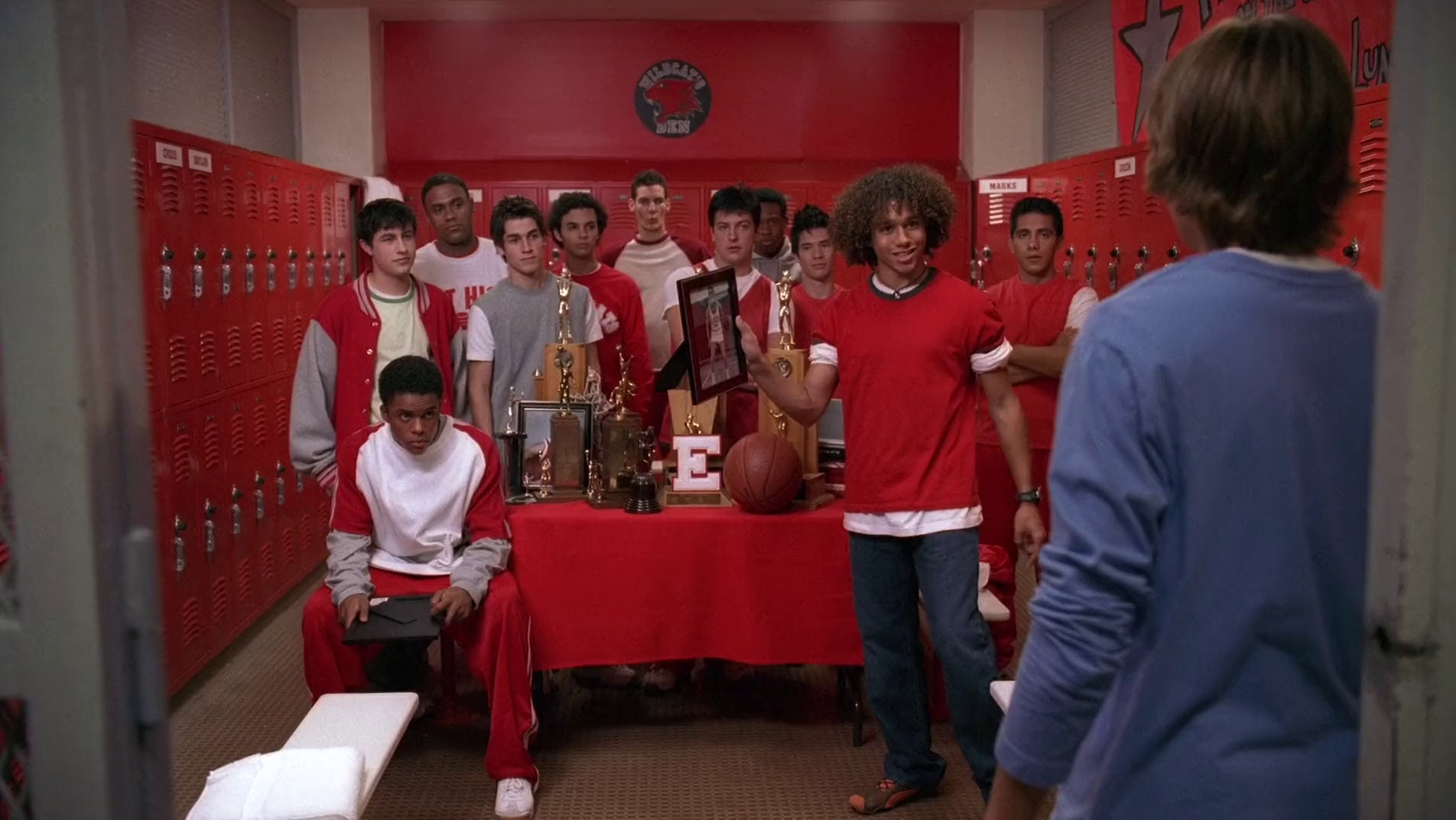
Figure 7: High School Musical
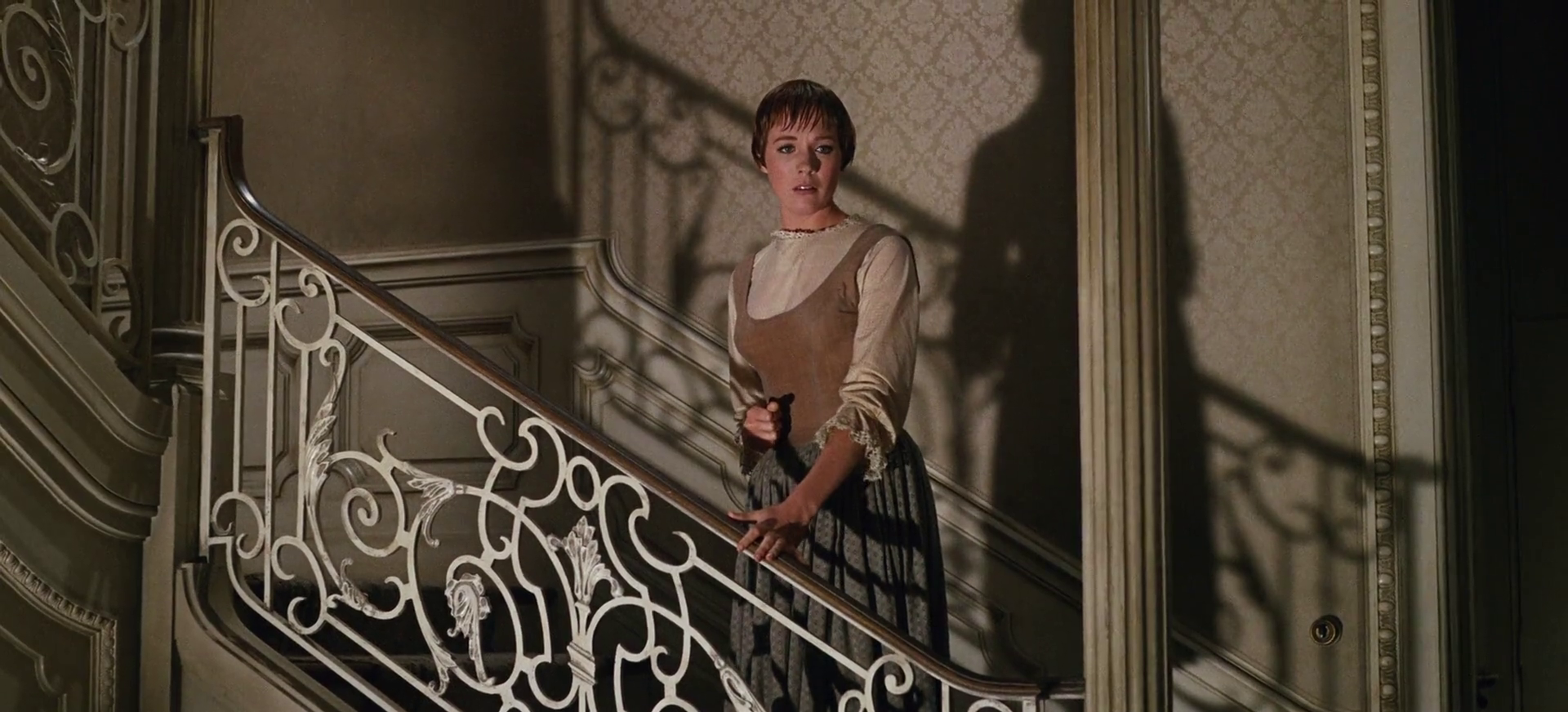
Figure 8: The Sound of Music
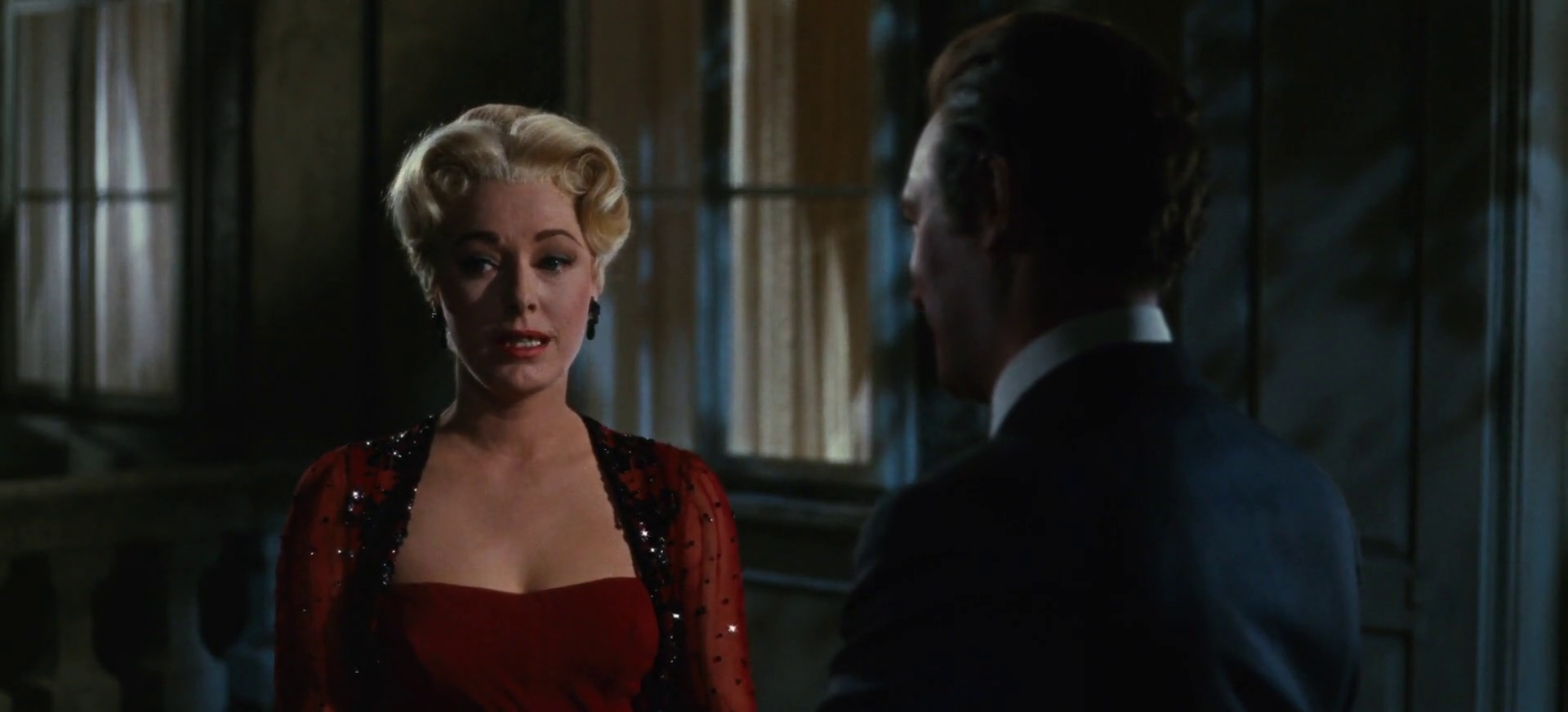
Figure 9: The Sound of Music
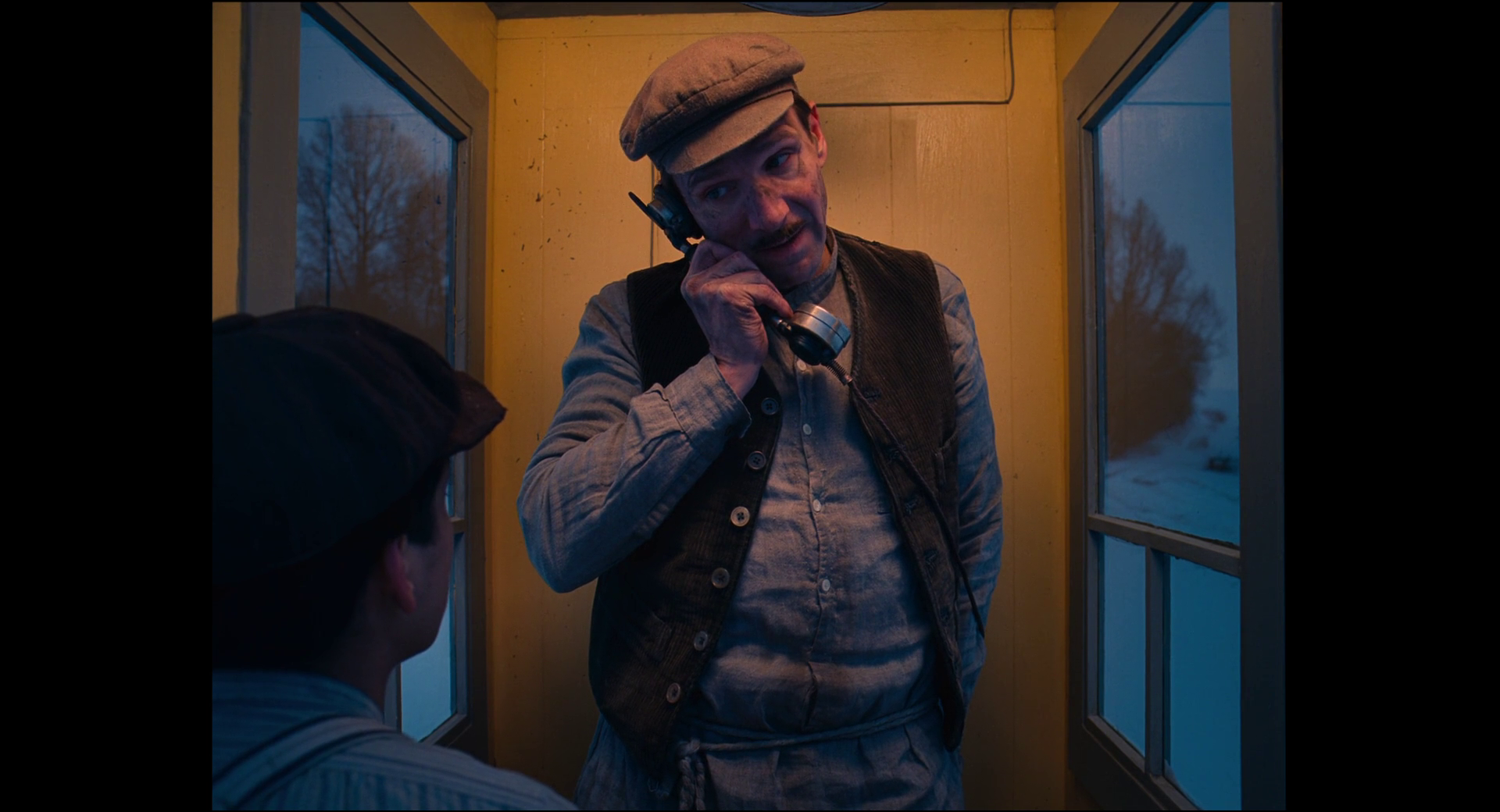
Figure 10: The Grand Budapest Hotel
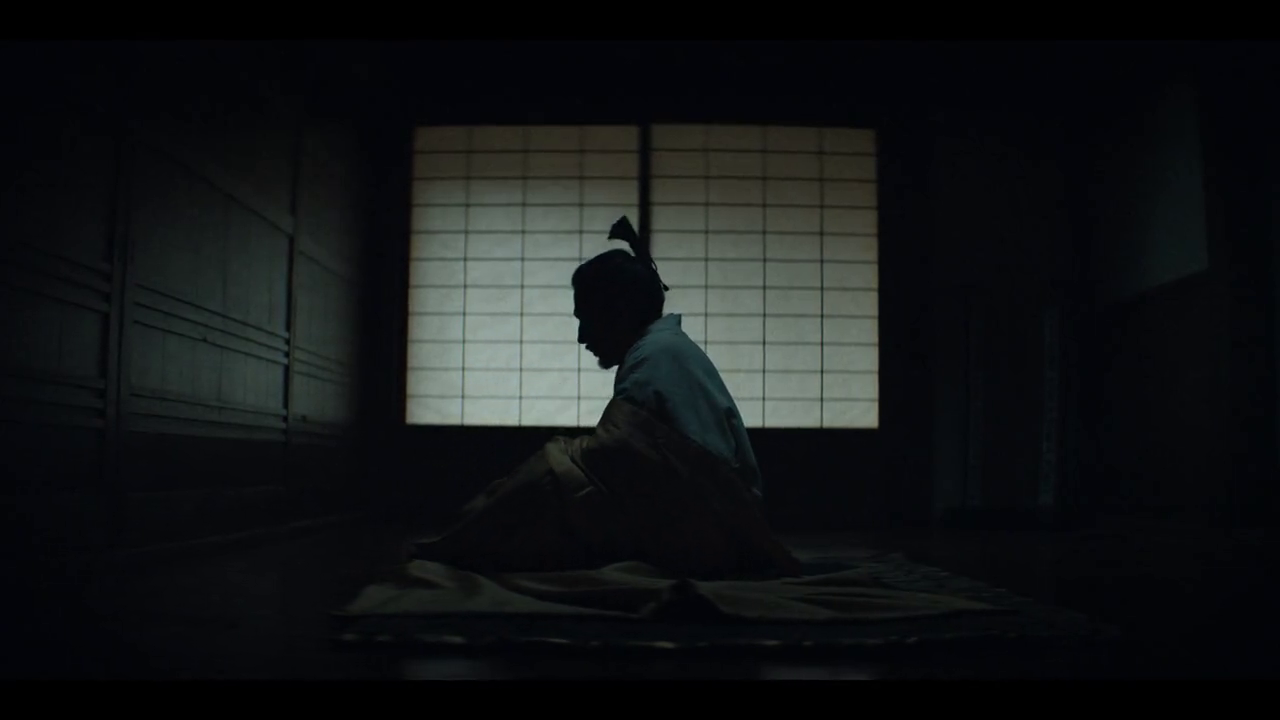
Figure 11: Shogun
Answers.
Light
A. 3
B. 5
C. 1
D. 6
E. 4
F. 2
Colour
G. 10
H. 7
I. 11
J. 8
K. 9